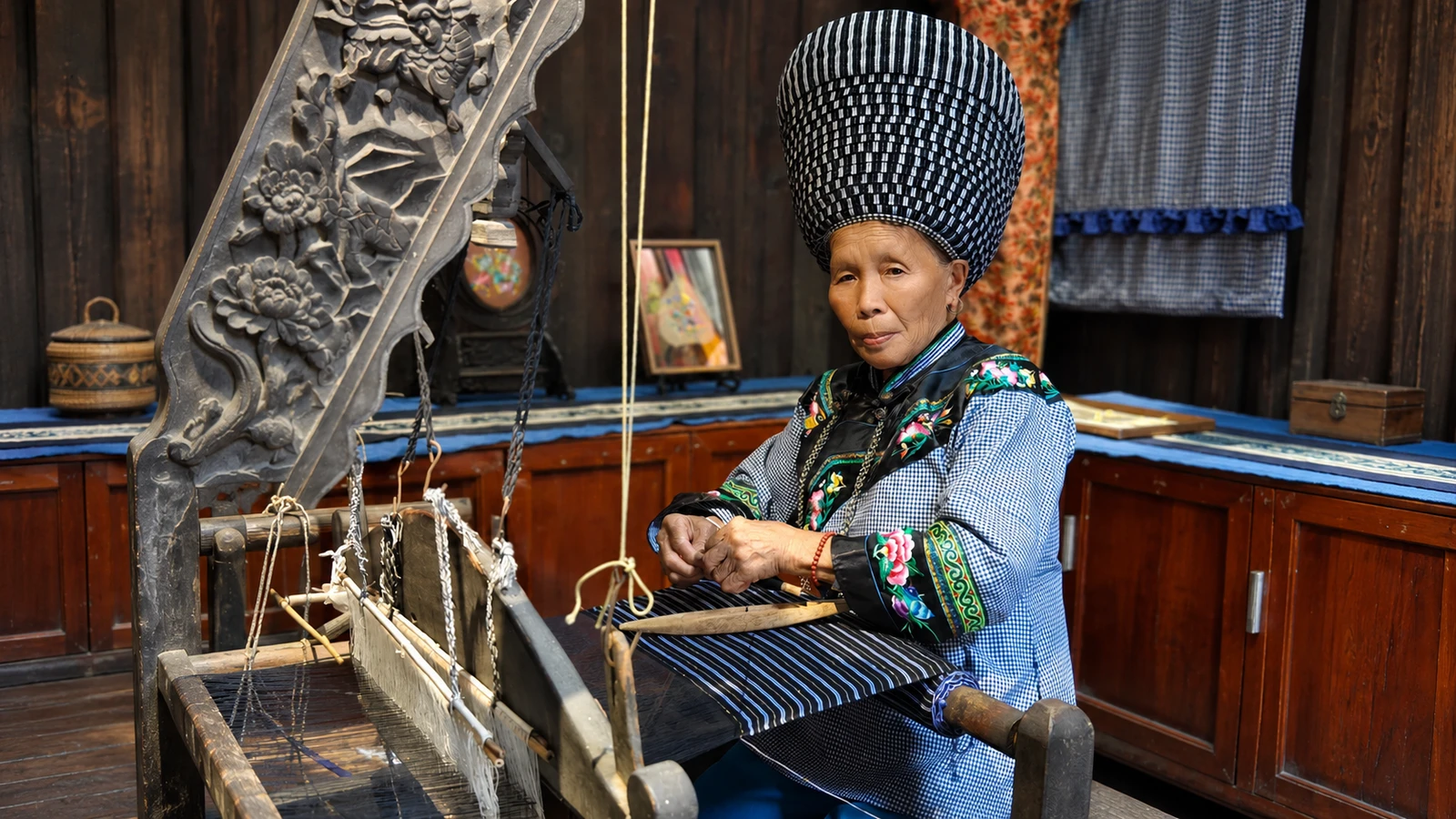
During my one-month independent fieldwork trip in Guizhou, Southwest China, I explored how ethnic minority communities experience and adapt their cultural heritage amid modernization and commercialization. I interviewed local craftsmen, heritage practitioners, and scholars, focusing first on their personal journeys and relationships with their traditions, then on specific cultural practices and contemporary challenges. In addition to a 71-page photography book, I am currently developing three series of interview documentaries and drafting a WeChat article for Museum of Handcrafted Memory founder Wang Xiaomei’s official account “手上记忆Handcrafted Memory”. Through these works, I hope to share both cultural knowledge and the lived individuals’ voices behind it.
The finished book, opened between its front and back covers.
Photography book · Guizhou Province
Guizhou Impression · Visual Field Notes
This physical book contains photographs I took during a one-month trip in Guizhou, Southwest China. I used PowerPoint for layout design and Adobe Photoshop for slight lighting adjustments. Across the spreads, I carefully paired left and right pages, such as placing two pictures of Jiabang’s rice terraces taken from different sites and angles together, or contrasting renovated tourist villages with older residential ones. I divided the book into five chapters based on my experience, combining bilingual narration with fun comments, ranging from local myths like the Egg-Laying Cliff to more serious observations on commercialization. I aim to make this book a personal introduction to Guizhou’s ethnic minority cultures, and hopefully a reminder to notice unique cultural heritages closer to home for the readers. Hope you enjoy this visual trip!
Play the video beside this introduction to leaf through the physical book, explore its photographic spreads, and see how the images unfold from page to page.
Conversations from the field
Three long-form interviews on identity, cultural preservation and personal journeys.
Interview films are currently being edited and will be released soon. Stay tuned.
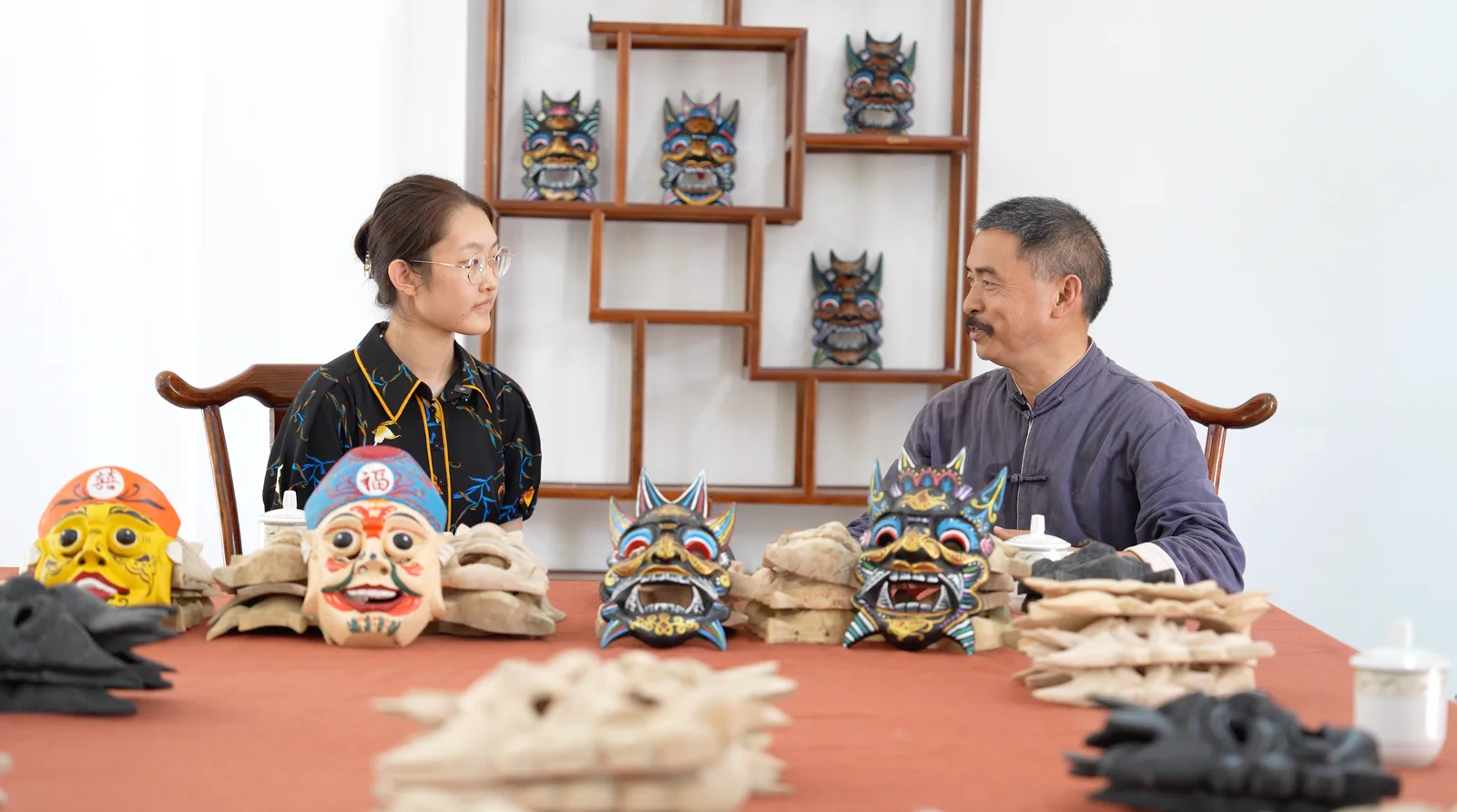
Interview with Qin Renjun: a Tujia Nuo Practitioner's Internalization of Identity
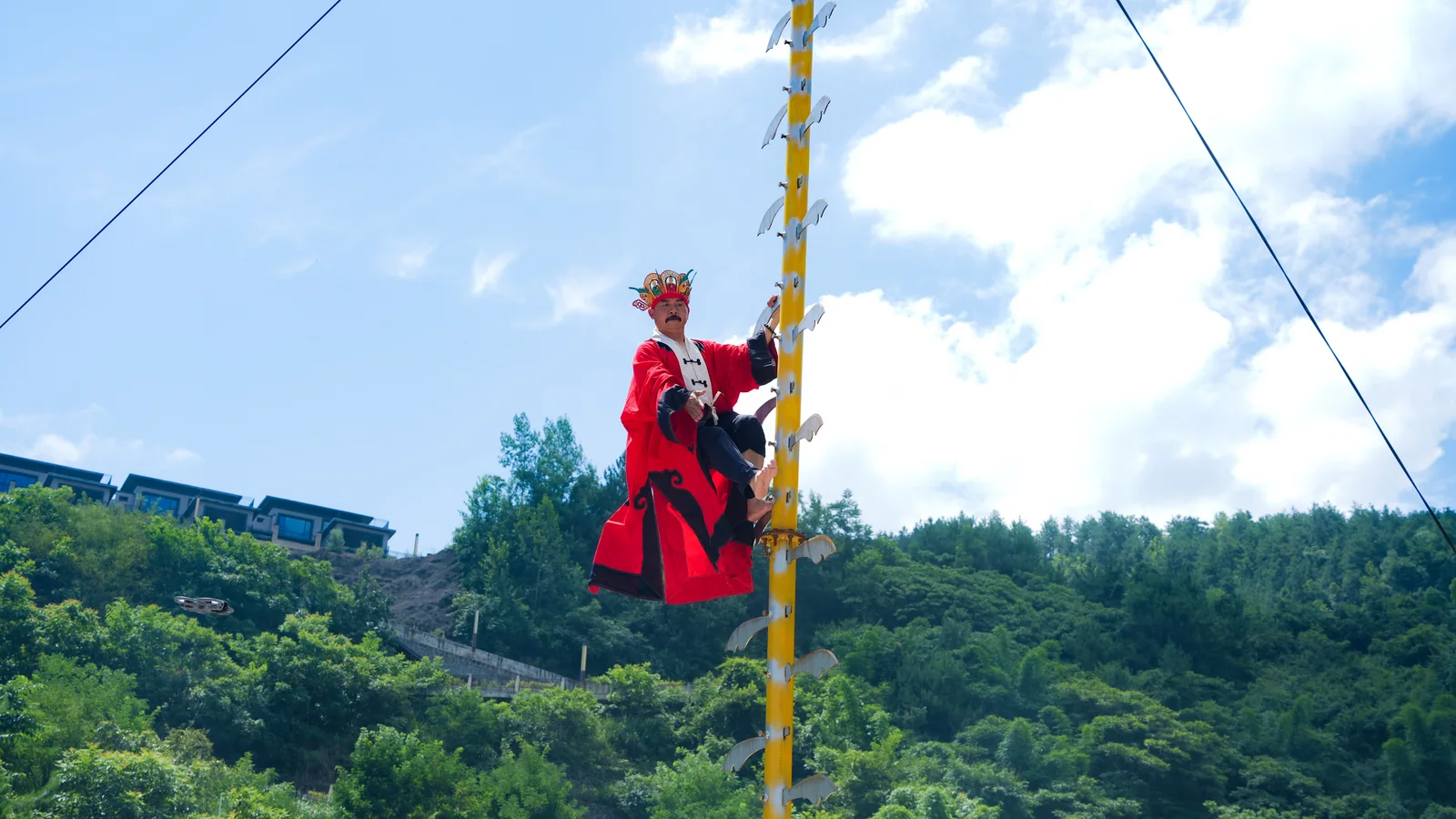
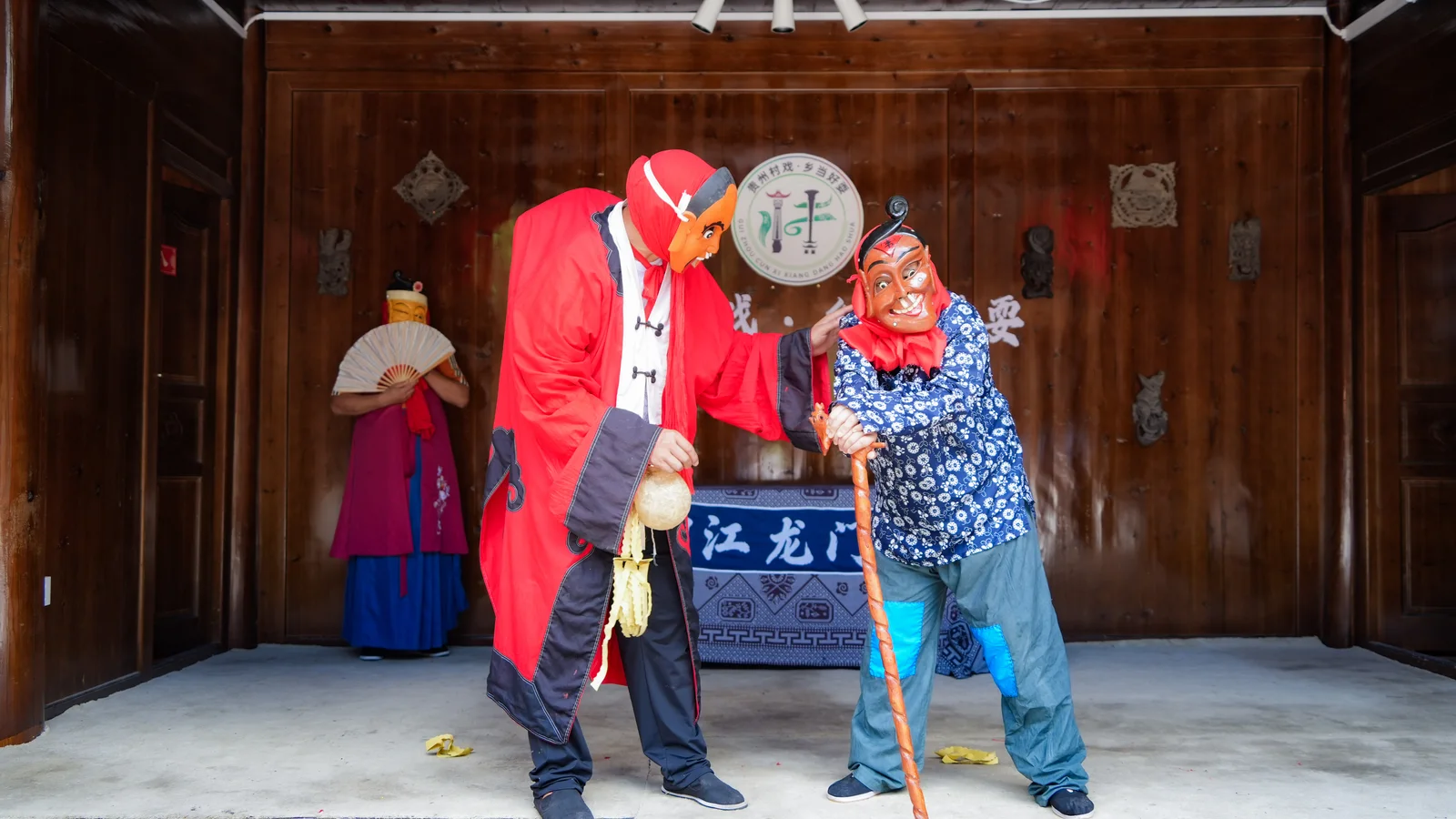
An in-depth interview with Qin Renjun, a 33rd-generation Tujia Nuo opera practitioner and author of the book Yinjiang Nuo Tang Opera. Spanning three parts, this documentary first explores his emotional journey from his teenage conflict to middle-age devotion to heritage. Then, it focuses on the core spirits, techniques, and worldview of Nuo rituals. Finally, it explores Qin’s efforts to balance traditional preservation with modern commercialization, such as establishing Nuo Gardens, modifying the Classic Repertoire, and spreading Nuo knowledge on social media.
Video coming soon
Part 01: Personal Journey & Identity
Video coming soon
Part 02: Spiritual Core for a Performer
Video coming soon
Part 03: Adaptations & Future
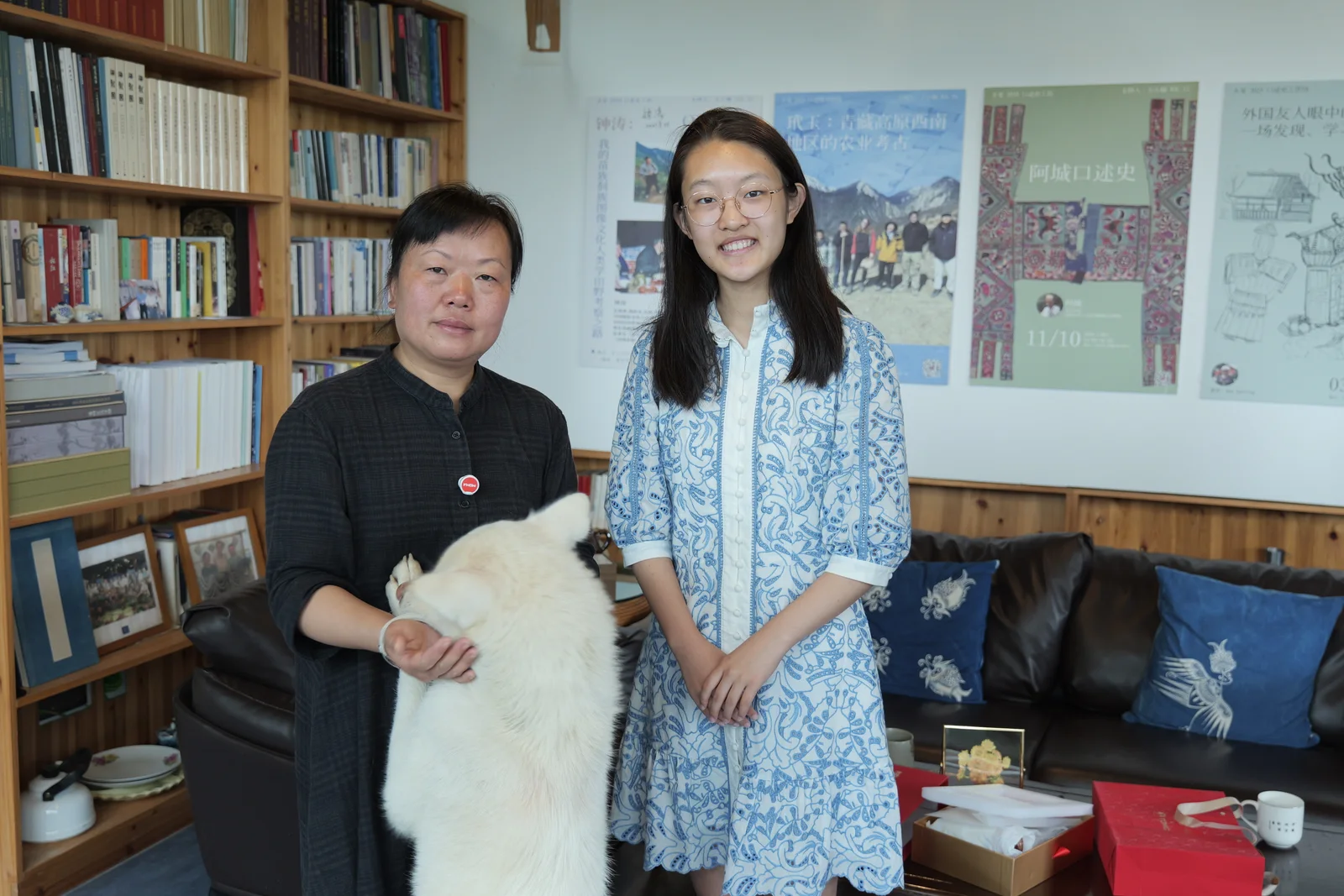
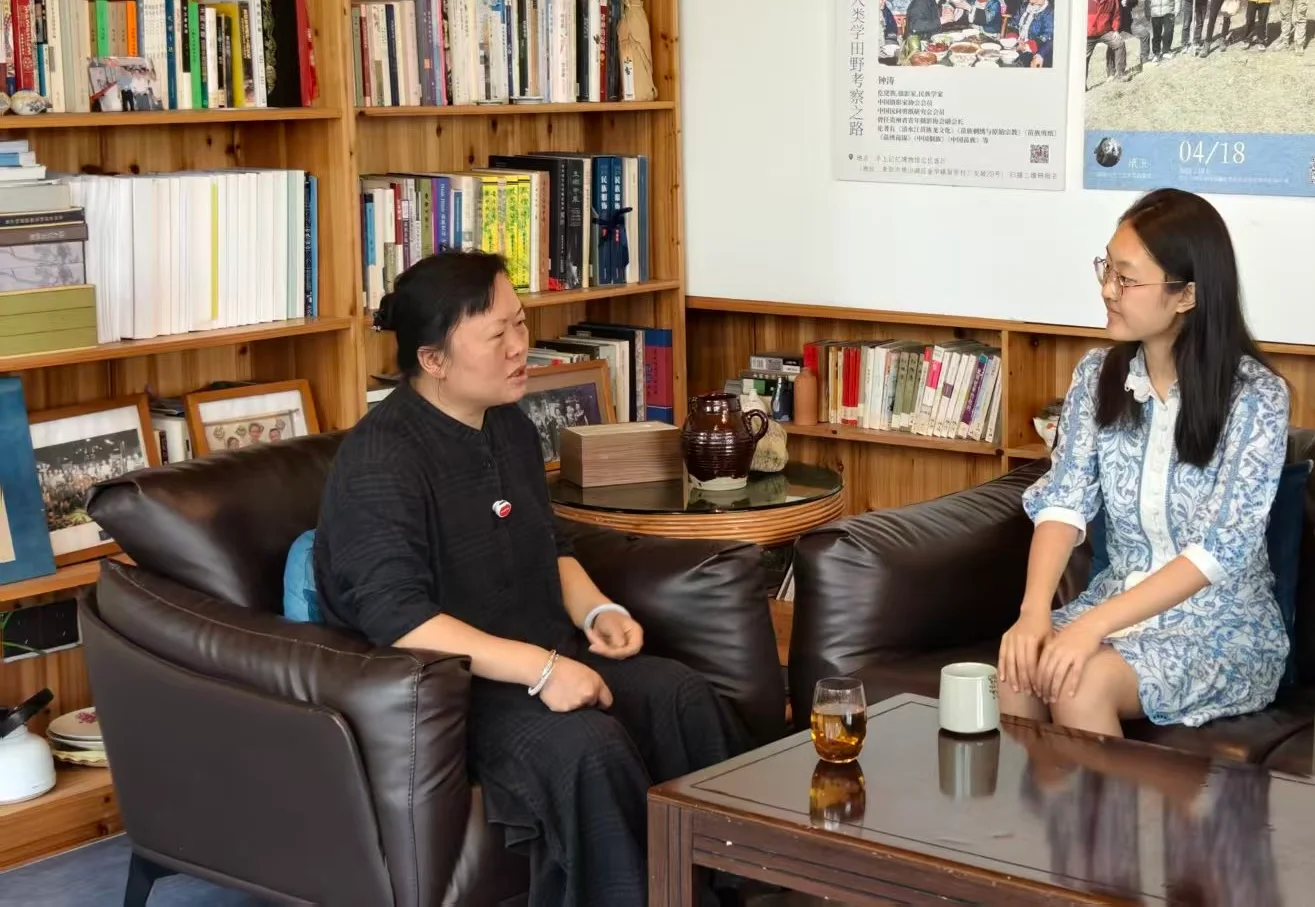
Interview with Wang Xiaomei: an Anthropologist's Field Experience and Outlook on Cultural Preservation
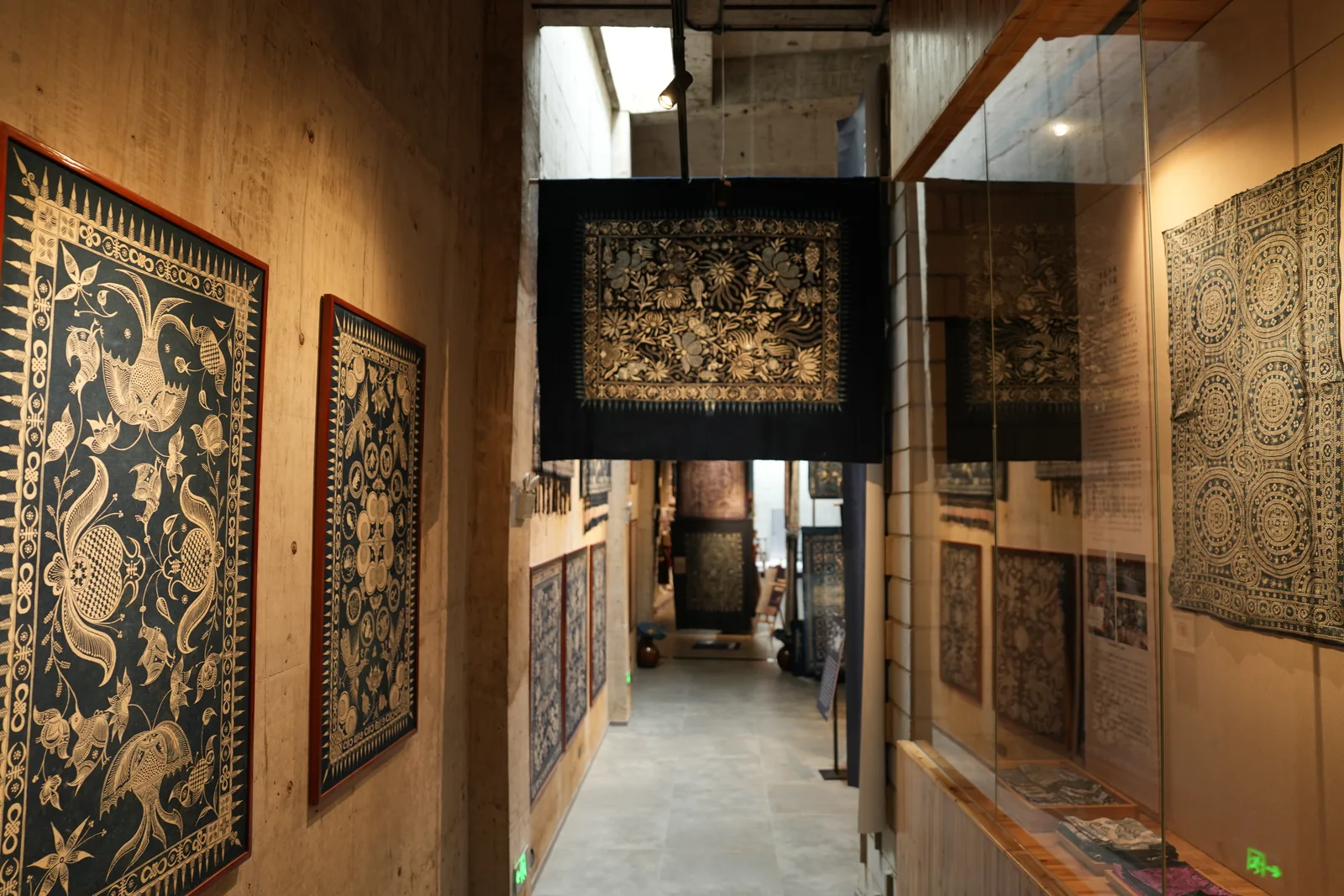
An in-depth interview with Wang Xiaomei, a prolific author, cultural anthropologist, and founder of the Museum of Handcrafted Memories in Wenggong Village. Divided into three parts, this conversation explores her nearly 30-year journey of fieldwork, including stories with other female artisans; the spiritual and cosmological meanings behind traditional products, shown by patterns on Miao batik and clothing; and her present work and vision for improving craftspeople’s livelihoods, preserving oral history, and connecting local heritage with global academia through multimedia.
Video coming soon
Part 01: Fieldwork Experience & Stories
Video coming soon
Part 02: Spiritual Cosmology within Crafts
Video coming soon
Part 03: Community Heritage in the Globe
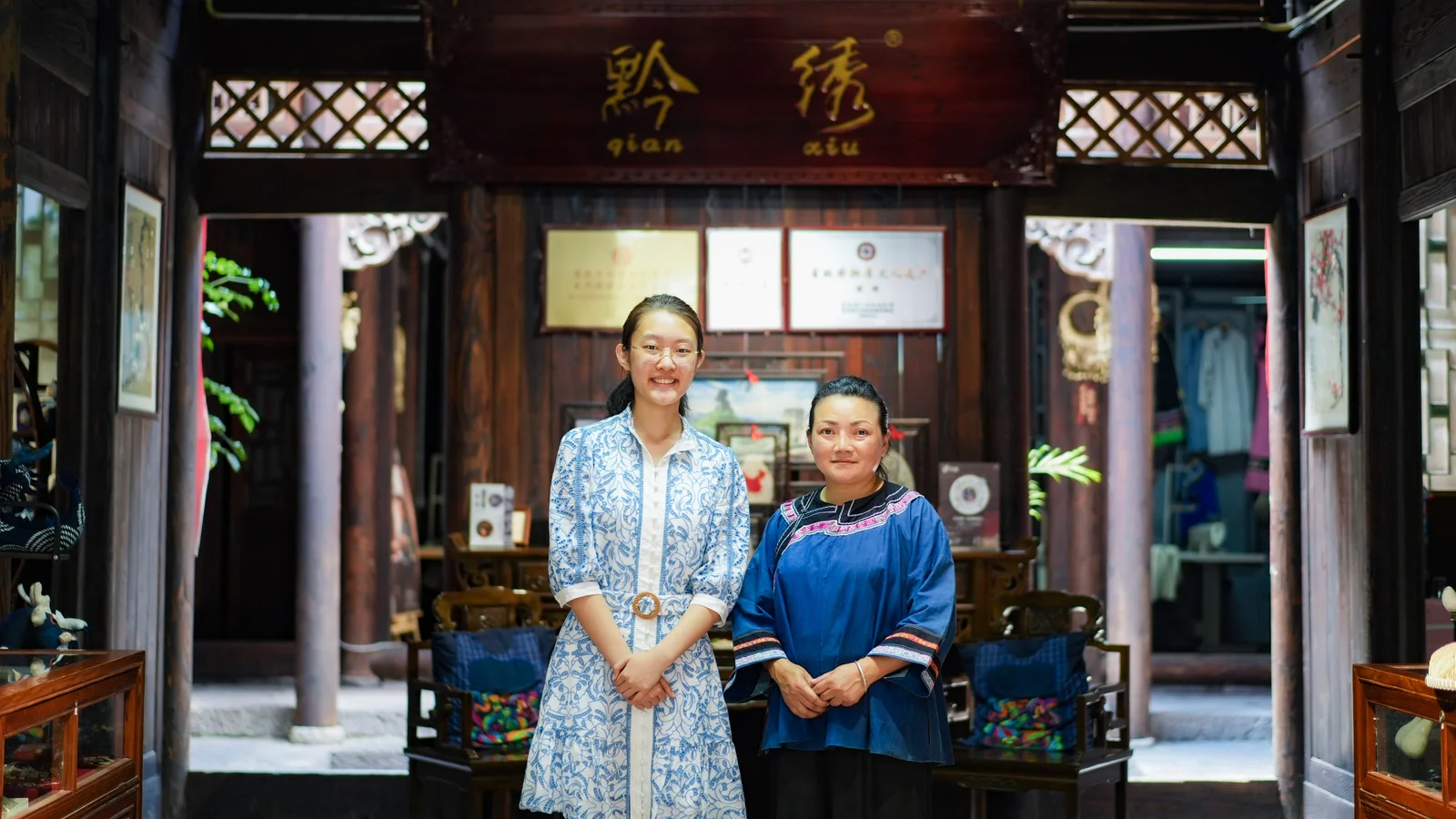
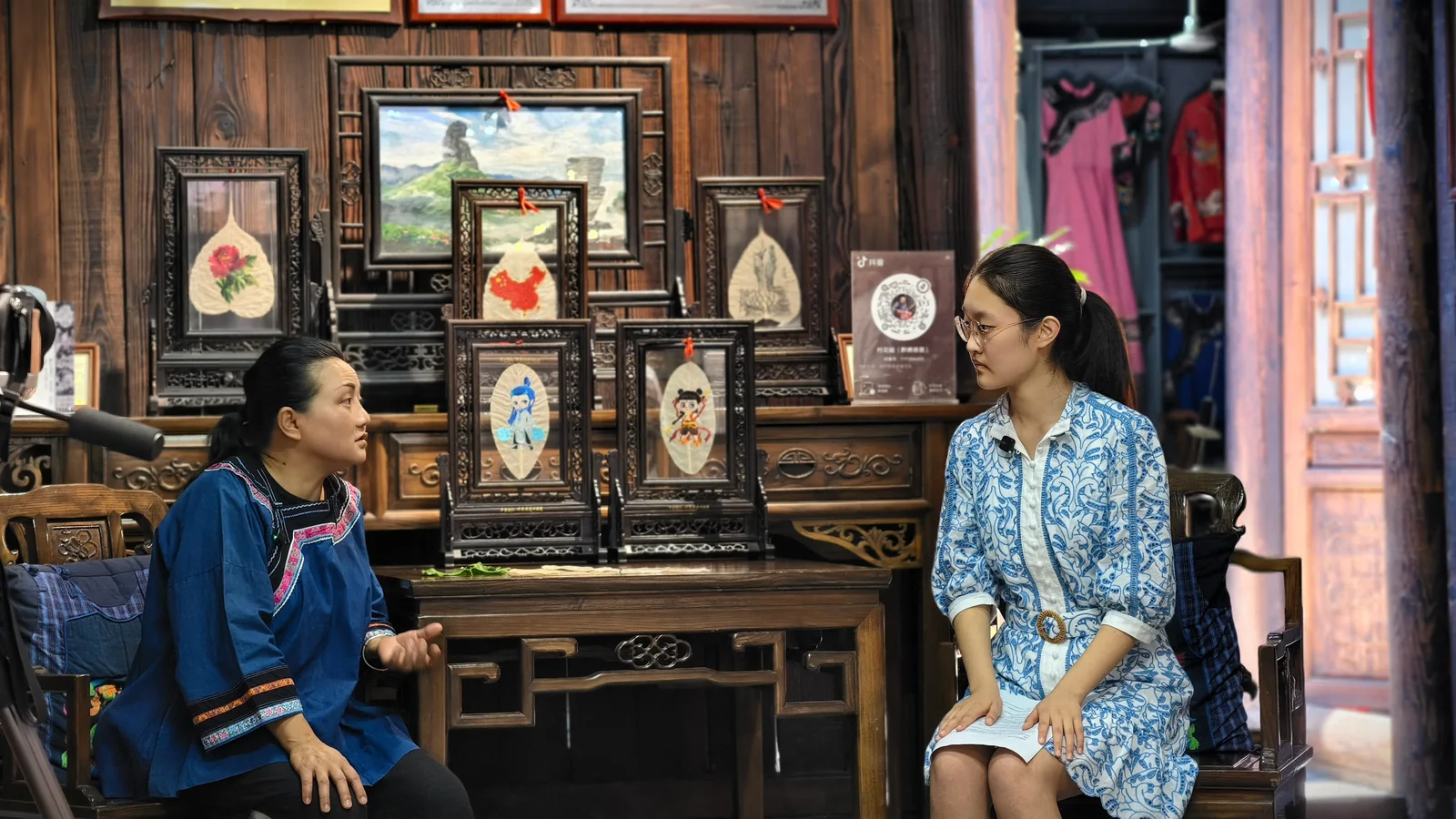
Interview with Yangli: an Inheritor of Leaf-Vein Embroidery's Personal Journey
An in-depth interview with Yang Li, an inheritor of leaf-vein and Miao embroidery; also the founder of Guizhou Qianxiu Intangible Cultural Heritage Industry Development Co., Ltd. Divided into three parts, this conversation explores her personal journey of recreating traditional crafts, such as combining the Miao, Dong, and Tujia ethnic skills with leaf-veins; the embroideries’ cosmological elements; and her present vision for commercialization’s role in ameliorating rural women’s economic circumstances.